The debate has raged on chess forums for years: "My puzzle rating is 2000, but my game rating is stuck at 1200. What am I doing wrong?" It is a common frustration among improving players. Puzzle training feels rewarding because the rating climbs steadily, but translating that tactical vision into actual games—especially under the severe time pressure of bullet chess—is an entirely different challenge.
To settle this debate with hard data, we analyzed a dataset of 2,285 active Lichess players, examining the exact mathematical correlation between their puzzle ratings and bullet game ratings. We also incorporated deep engine analysis from over 240,000 bullet games to understand how move quality and blunder rates change as players improve. This article serves as a roadmap for players rated between 800 and 1500 on Chess.com, breaking down the data to show exactly when puzzle training pays off and what specific weaknesses hold "puzzle warriors" back.
(Note: All data was collected from Lichess. To make this guide actionable for the majority of players, rating labels in charts and text have been calibrated to approximate Chess.com bullet ratings. Lichess ratings are typically 200–300 points higher in this range.)
The Mathematical Reality of the Puzzle-Bullet Gap
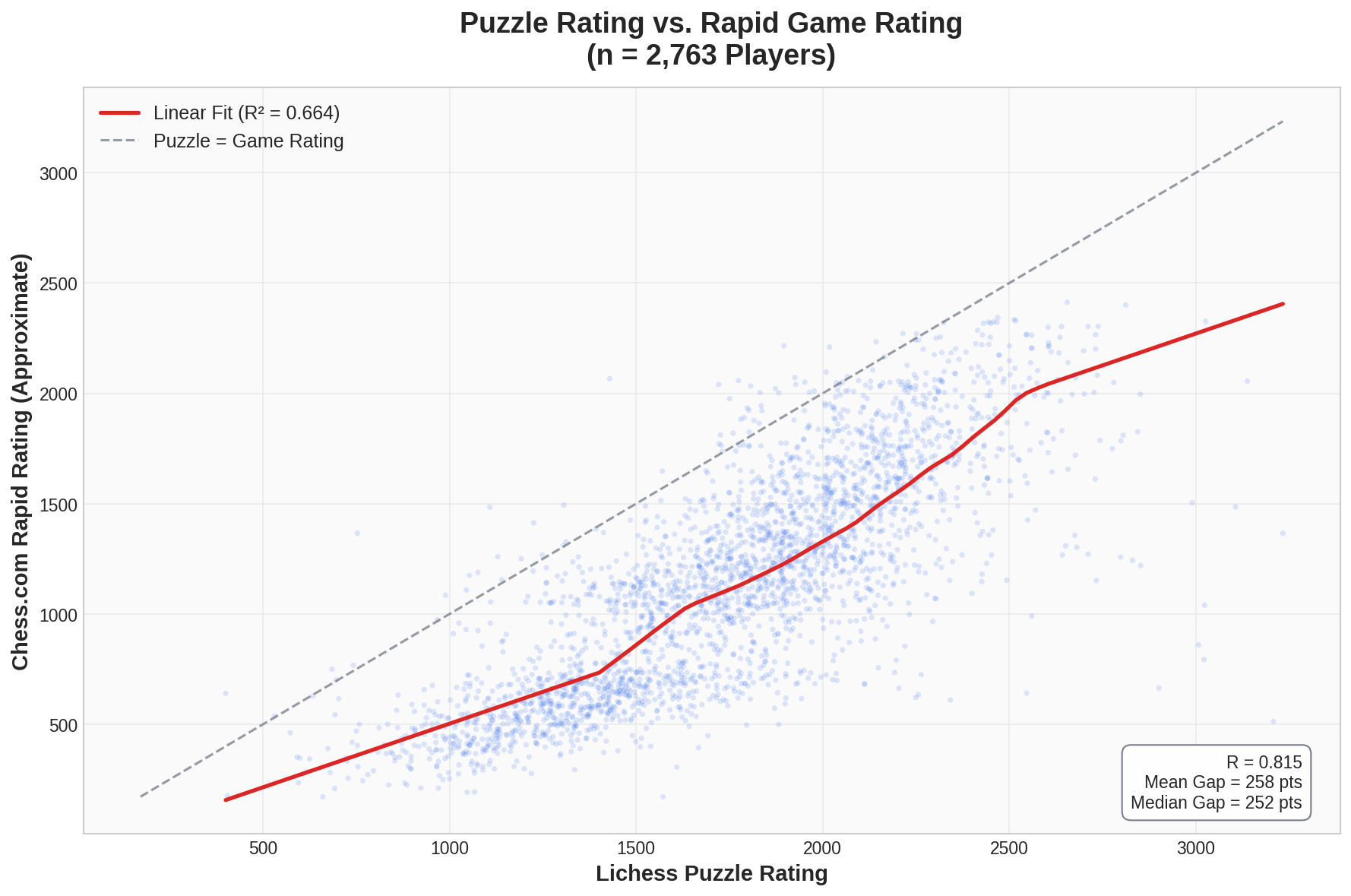
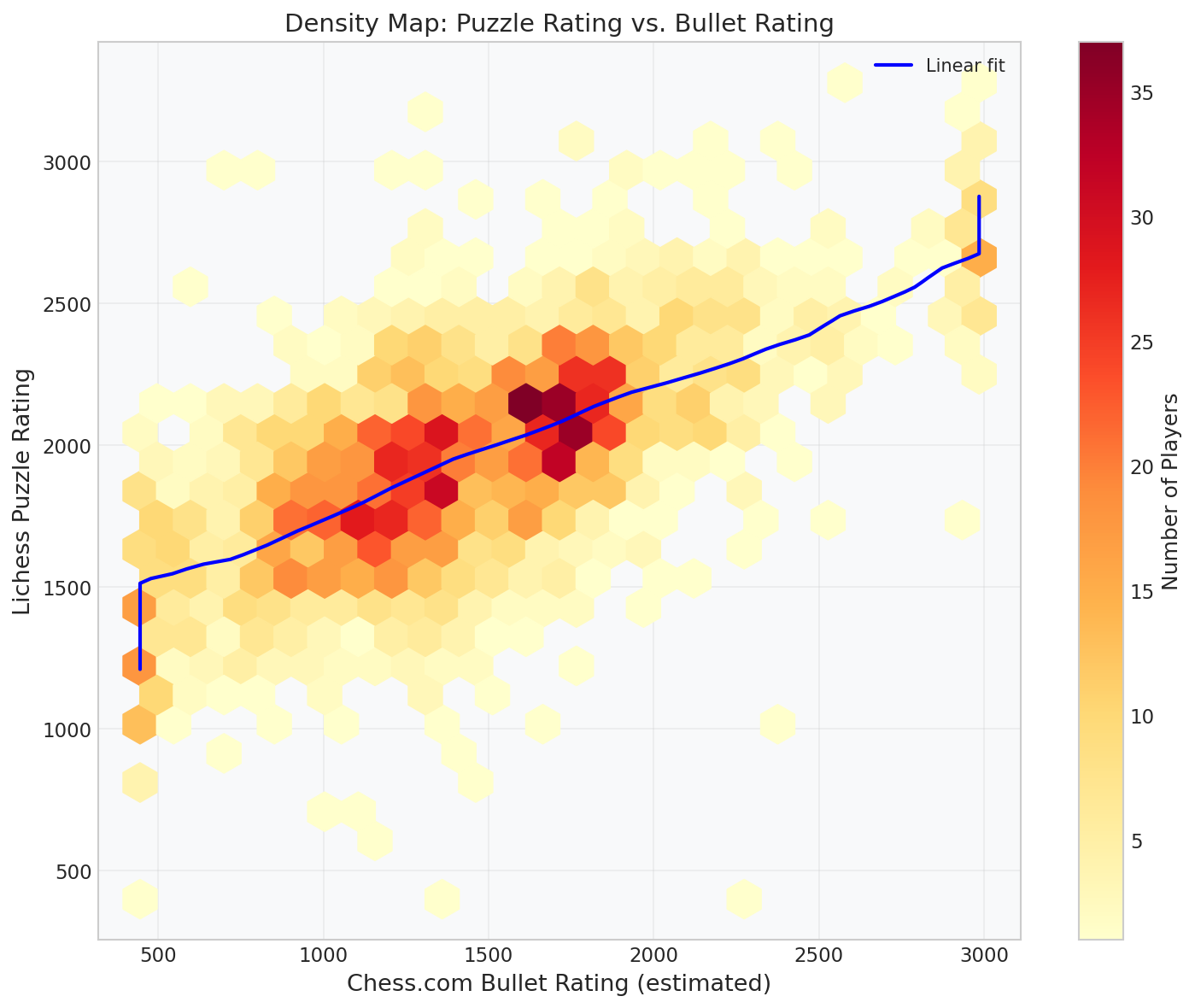
The first question we sought to answer was the exact mathematical correlation between puzzle rating and bullet game rating. The data reveals a moderate-to-strong positive correlation (Pearson r = 0.66), meaning that as puzzle rating increases, game rating generally follows. However, the relationship is far from 1:1.
Our linear regression model shows that puzzle rating explains approximately 44% of the variance in bullet rating. The formula derived from the data is roughly: Puzzle Rating = 0.54 × Bullet Rating + 993.
What stands out immediately is the massive "puzzle gap." On average, a player's puzzle rating is 190 points higher than their bullet rating. The distribution of this gap across our entire sample is shown below.
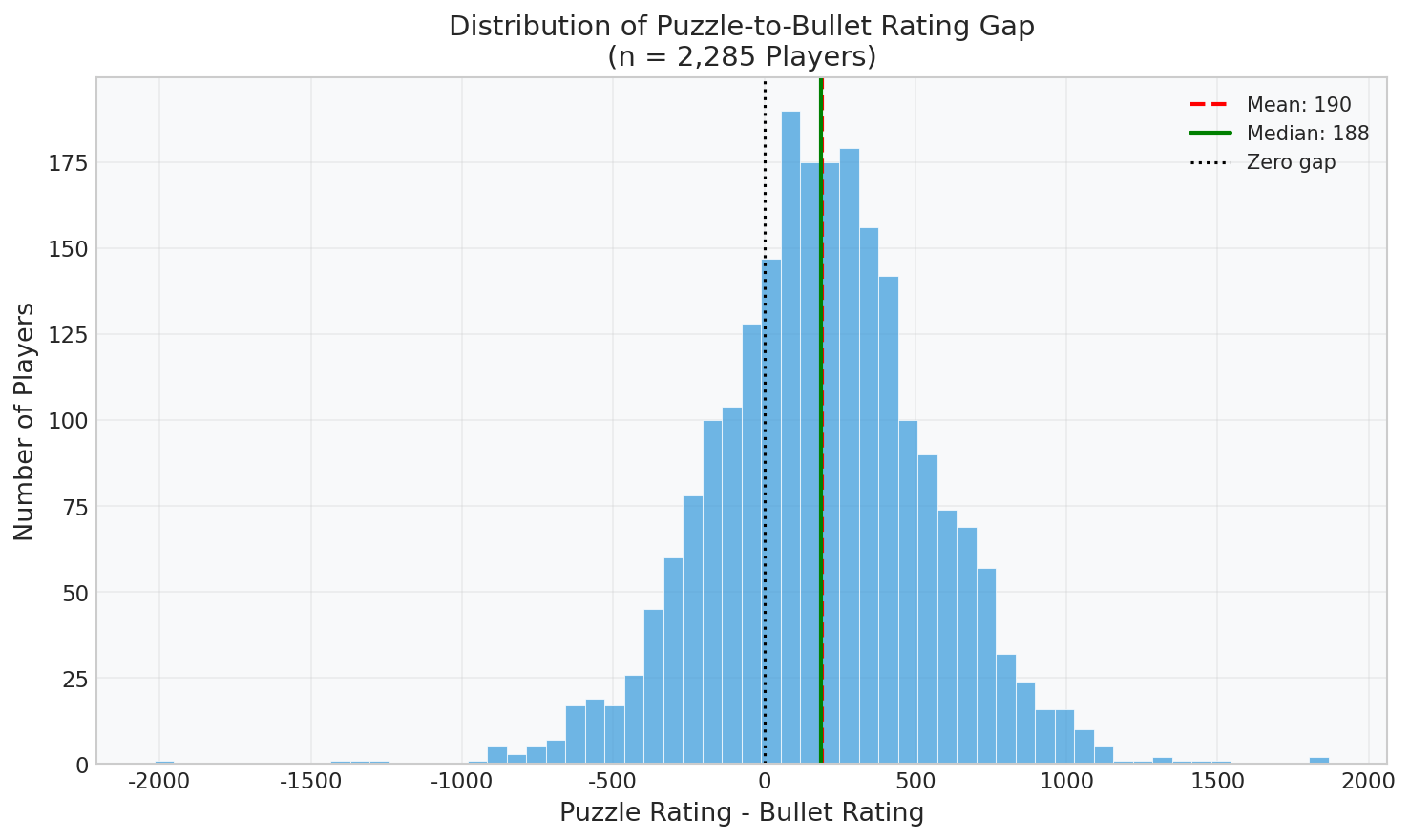
Nearly half of all players (48.5%) have a puzzle rating more than 200 points above their bullet rating, and over a quarter (26.3%) have a gap exceeding 400 points. However, this gap is not uniform across all skill levels. It is heavily skewed toward lower-rated players.
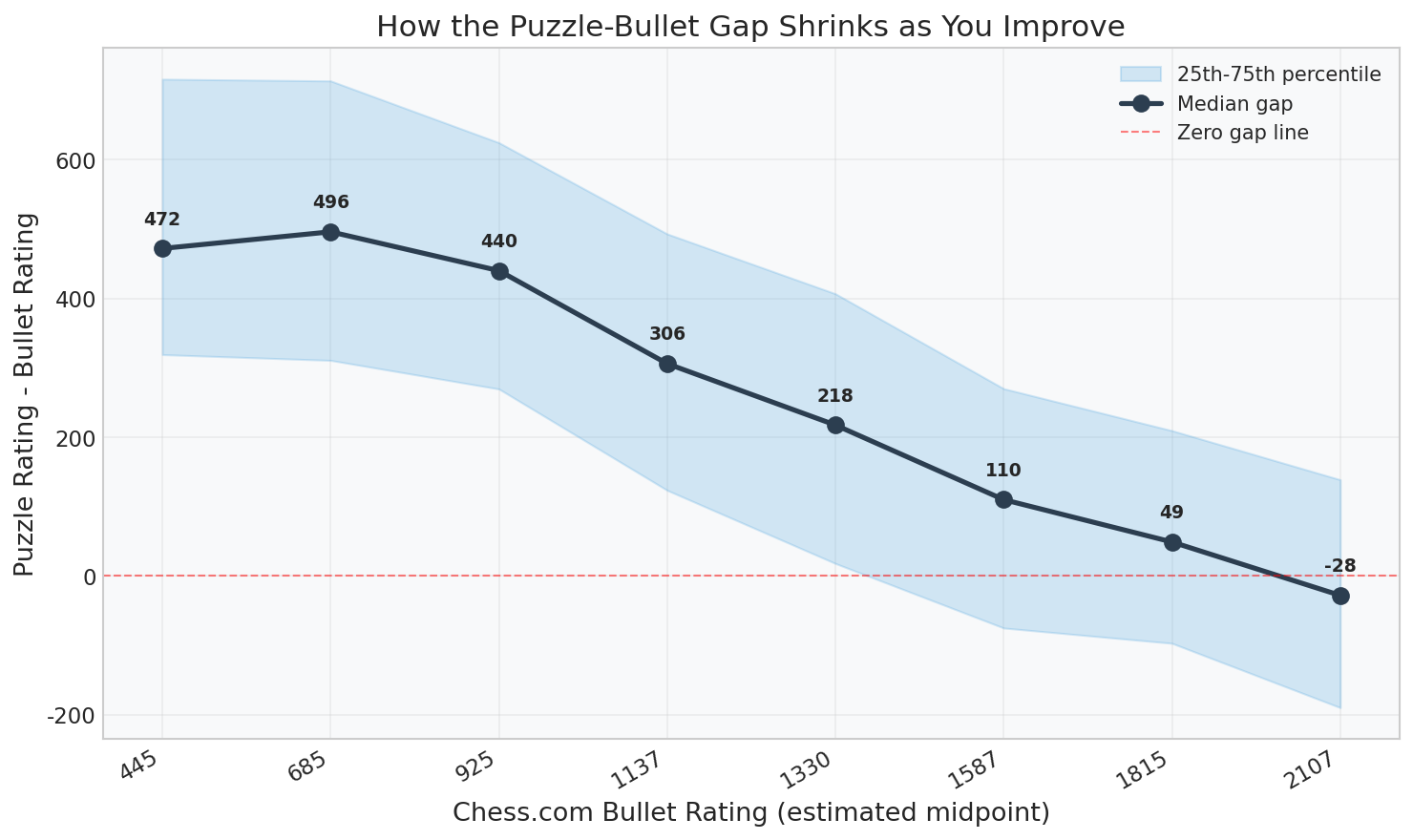
The following table summarizes the key statistics by rating band:
| Chess.com Bullet Band | Lichess Equivalent | Sample Size | Median Puzzle Gap | % with Gap > 400 |
|---|---|---|---|---|
| 445–505 | 700–1000 | 96 | +446 | 56.2% |
| 505–825 | 1000–1200 | 172 | +496 | 64.0% |
| 825–1035 | 1200–1400 | 235 | +440 | 55.3% |
| 1035–1230 | 1400–1600 | 322 | +306 | 36.0% |
| 1230–1444 | 1600–1800 | 390 | +218 | 26.7% |
| 1444–1715 | 1800–2000 | 377 | +110 | 11.1% |
| 1715–1938 | 2000–2200 | 347 | +49 | 8.1% |
| 1938–2370 | 2200–2500 | 223 | -39 | 4.5% |
For a player rated 800 on Chess.com (roughly 1200 on Lichess), the median gap is nearly 500 points. This means a typical 800-rated bullet player has a puzzle rating around 1300. As players improve, this gap shrinks dramatically. By the time a player reaches 1700 on Chess.com (2000 on Lichess), the median gap is only 110 points. For masters, the gap actually inverts—their game rating is often higher than their puzzle rating.
The "Puzzle Warrior" Phenomenon
We identified a specific subset of players in the data: the "Puzzle Warriors." These are players whose puzzle rating exceeds their bullet rating by more than 600 points. They make up 12.1% of our sample.
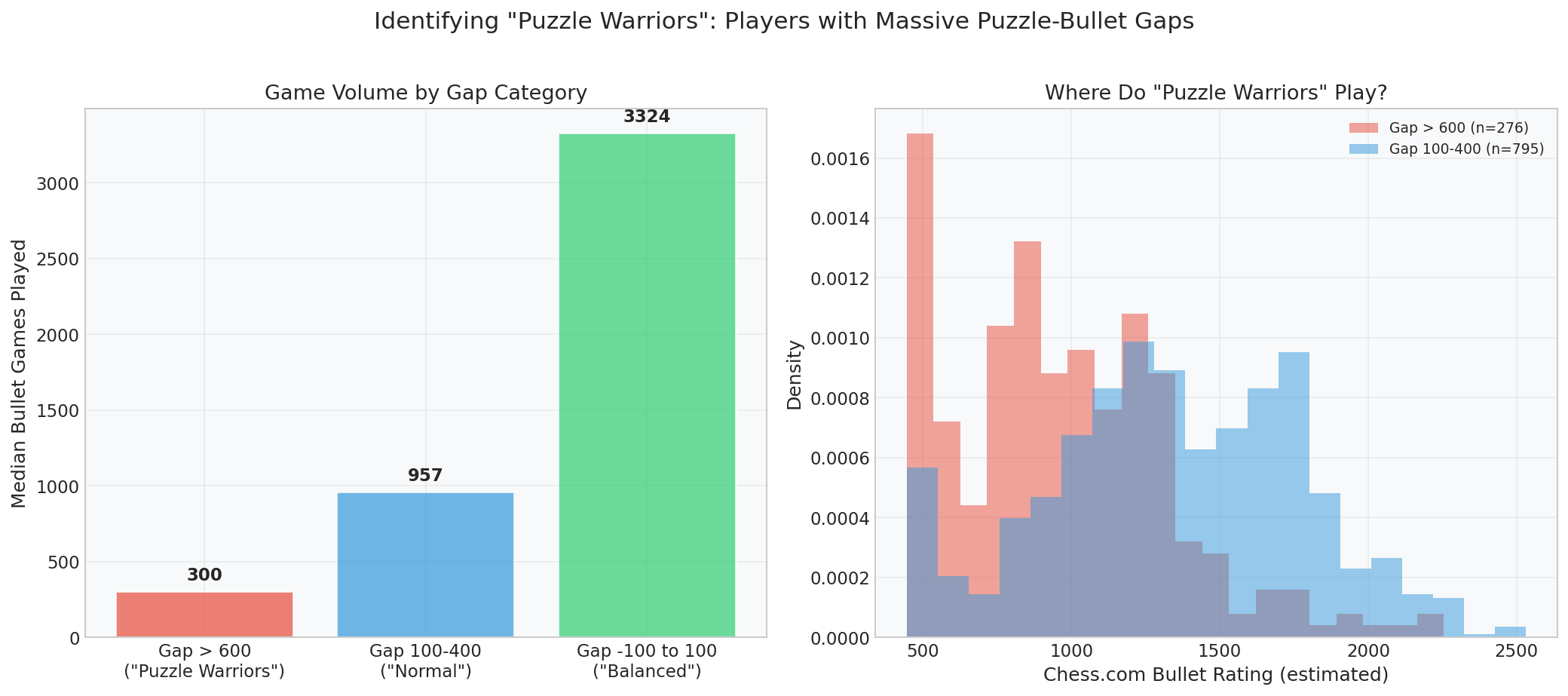
When we compared these players to those with a "normal" gap (100–400 points), a striking pattern emerged. The Puzzle Warriors had a much lower average bullet rating (1345 Lichess / ~980 Chess.com) despite having a higher average puzzle rating (2133) than the normal group (1925).
The defining characteristic of the Puzzle Warrior is a lack of practical experience. The median number of bullet games played by the large-gap group was only 300, compared to 957 for the normal-gap group and over 3,300 for the balanced group. Puzzle training builds pattern recognition, but without the crucible of actual games to practice time management, opening principles, and resilience under pressure, that tactical vision remains theoretical.
Roadmap to Improvement: 800 to 1500
Based on the data, here is a breakdown of what is actually happening in your games at each rating band, along with actionable advice to climb to the next level.
The 800–1000 Band (Chess.com)
Lichess equivalent: ~1200–1385
At this level, the median puzzle rating is around 1614. You are solving moderately complex tactics in training, but the games tell a different story.
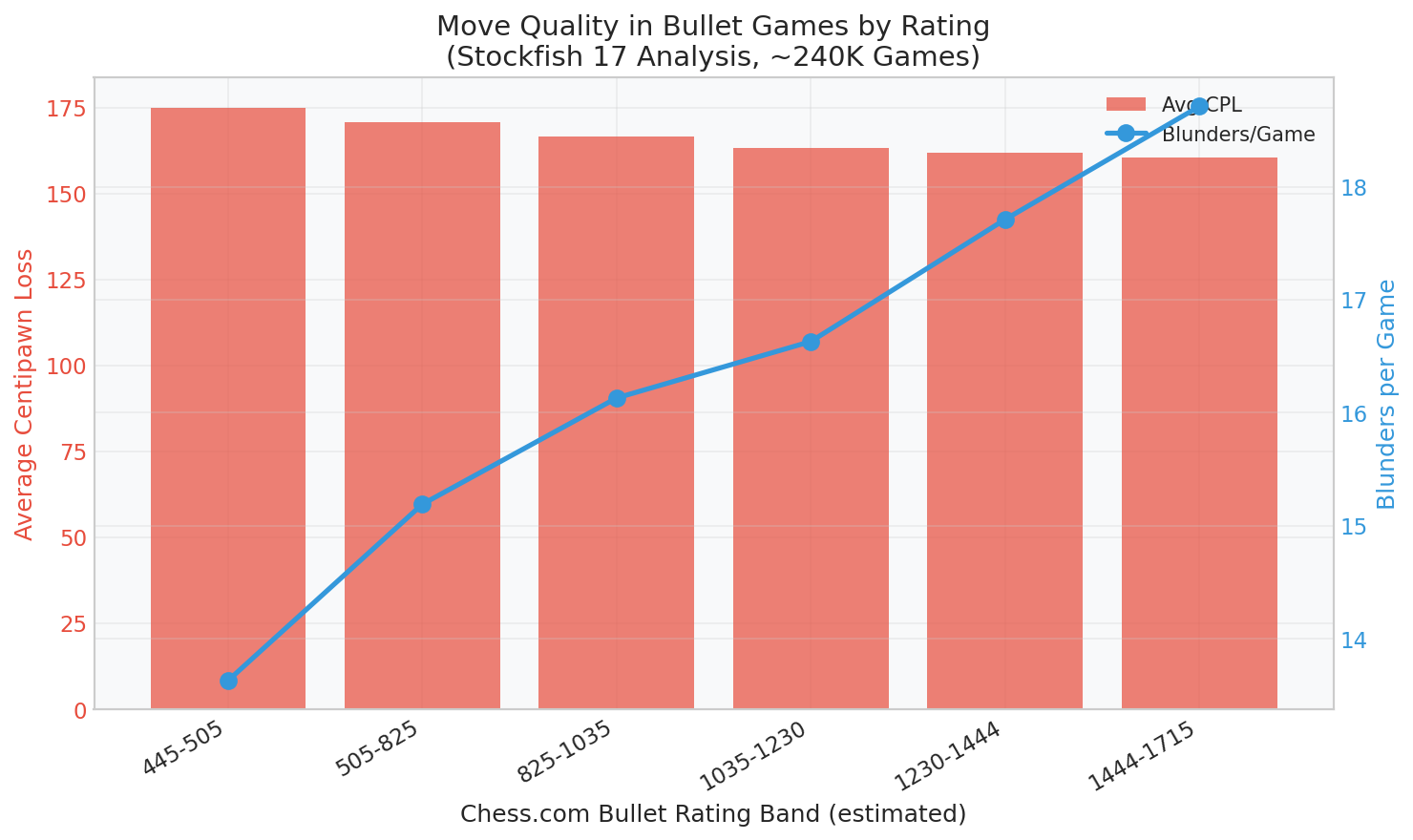
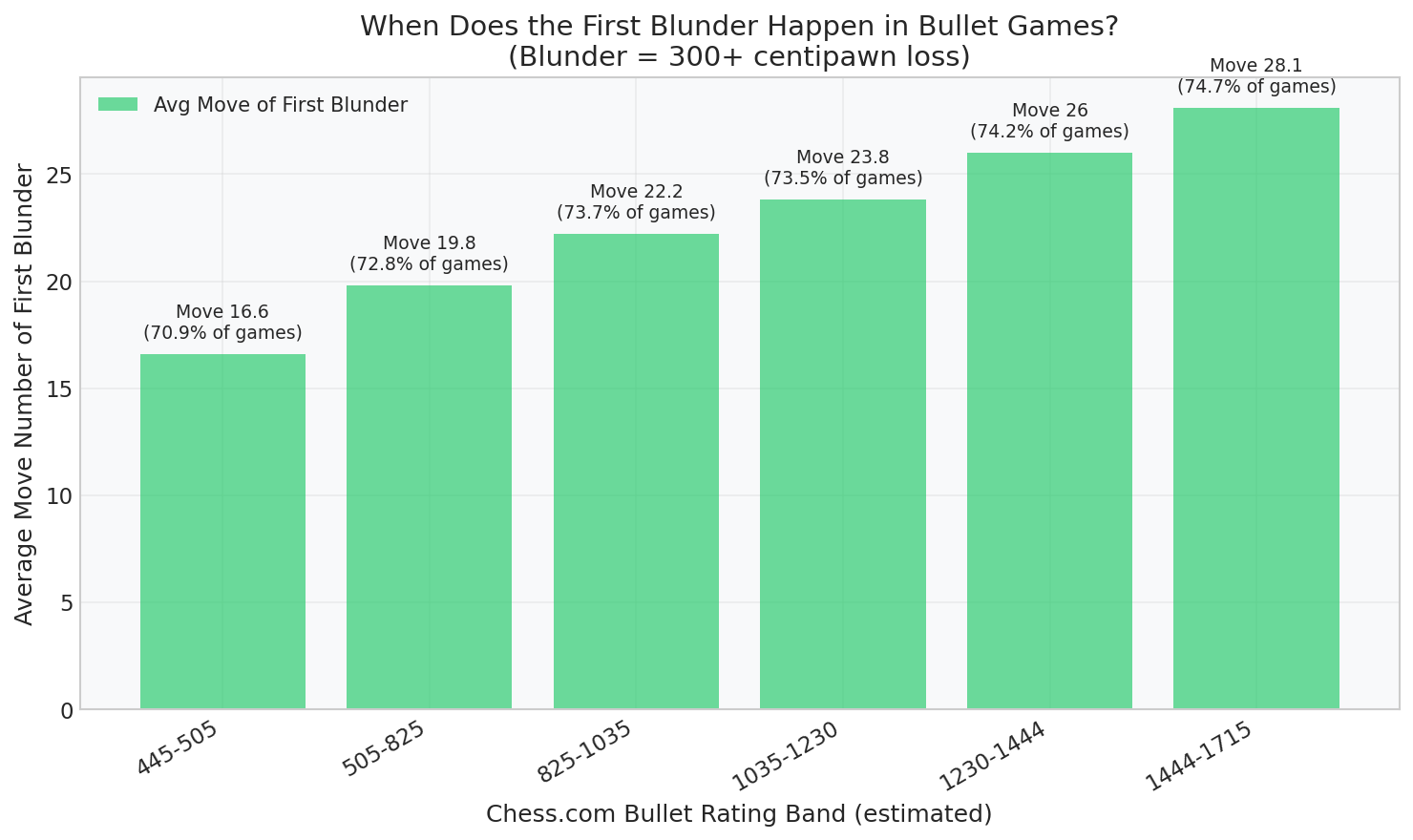
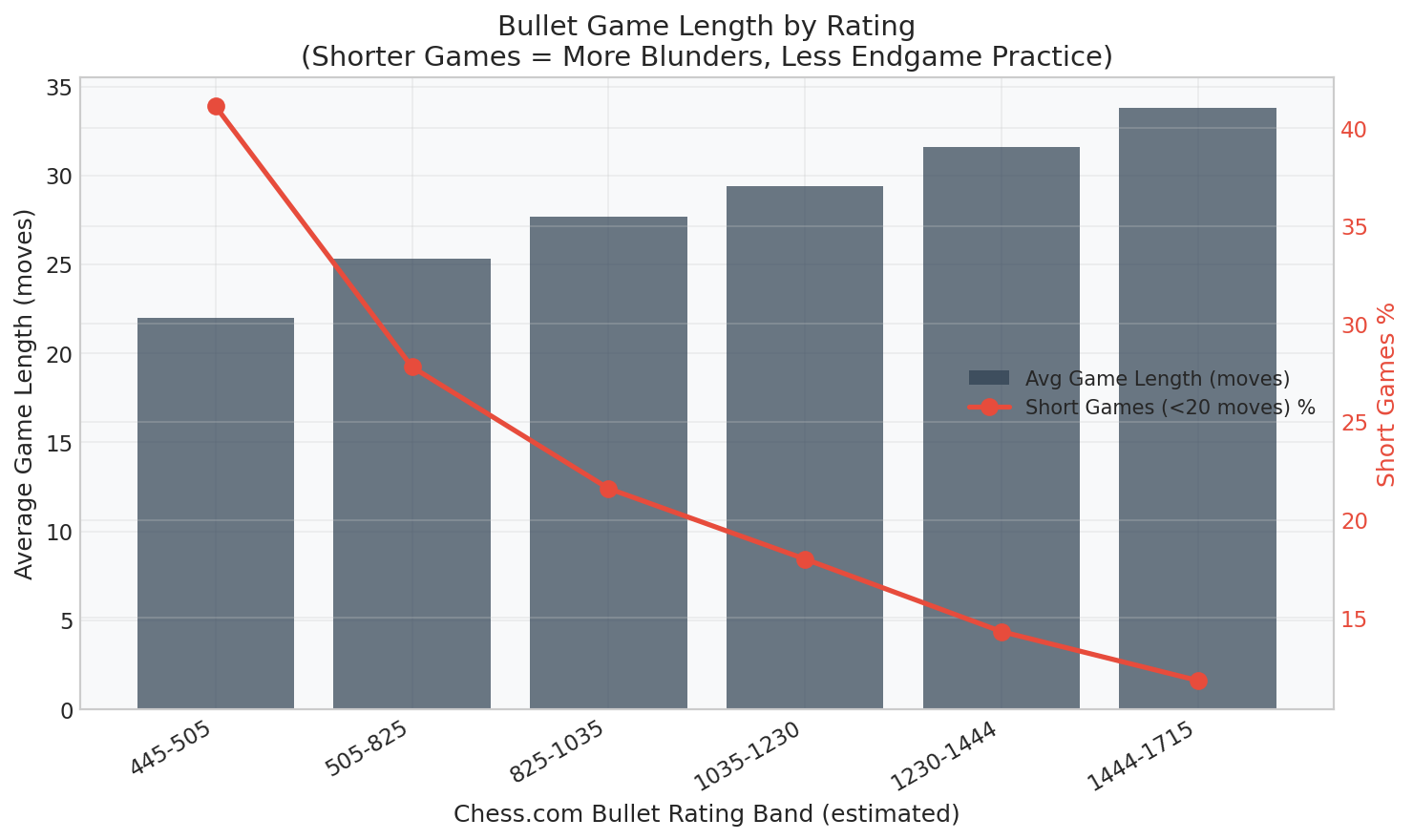
Our engine analysis of games in this band reveals an average Centipawn Loss (CPL) of 166.6 and a staggering 16.1 blunders per game. The first major blunder (eval drop of 300+ centipawns) occurs, on average, on move 22. Furthermore, over 21% of games end in fewer than 20 moves.
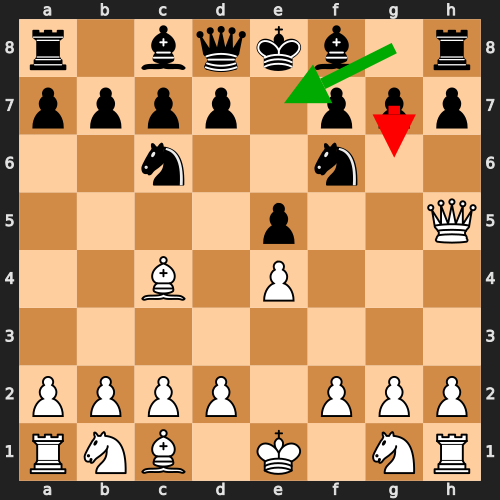
The primary issue here is not a lack of tactical ability—your puzzle rating proves you can spot tactics when prompted. The issue is board vision and impulse control. In puzzles, you know there is a winning move. In games, nobody taps you on the shoulder. Players at this level frequently fall for opening traps or hang pieces to simple one-move threats because they are playing "hope chess" or premoving recklessly.
Actionable Advice: Stop trying to play fast. The data shows that playing bullet at this level reinforces bad habits. You need to build a foundation of board awareness. Play Rapid games (10+0 or 15+10) and focus entirely on two questions before every move: "Is my piece safe here?" and "What is my opponent threatening?" Your puzzle rating is high enough to carry you to 1000; you just need to stop giving away free pieces.
The 1000–1200 Band (Chess.com)
Lichess equivalent: ~1385–1575
To break into this band, the data shows you typically need a puzzle rating around 2009. The median gap here is 440 points.
Move quality improves slightly (CPL drops to 163.2), and the blunder rate decreases to 16.6 per game. The first blunder is pushed back to move 23.8. Games are getting slightly longer, meaning you are surviving the opening more consistently.
However, this is the rating where missed tactical opportunities become the primary differentiator. You are no longer hanging pieces outright as often, but you are missing two-move combinations—forks, pins, and discovered attacks—that your puzzle rating suggests you should see.
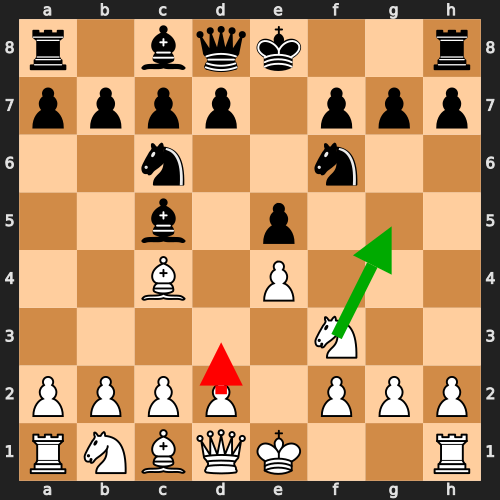
The problem is time pressure. In bullet, the clock forces you to rely on intuition. If a tactical pattern is not deeply ingrained in your subconscious, you will miss it when you only have two seconds to think.
Actionable Advice: Shift your puzzle training from "hard" to "fast." Instead of spending five minutes calculating a 2200-rated puzzle, use features like Puzzle Storm or Puzzle Streak. You need to drill basic motifs (back-rank mates, simple forks) until they are instantaneous. In games, focus on active piece play. Tactics flow from superior positions; if your pieces are passive, your puzzle skills will never have a chance to shine.
The 1200–1400 Band (Chess.com)
Lichess equivalent: ~1575–1770
To reach 1400, the median puzzle rating required is 2045. The gap is shrinking (median 306 points), indicating that your practical play is catching up to your tactical vision.
At this level, the average CPL is 161.8, and blunders drop to 17.7 per game (note: the absolute number of blunders increases slightly because the games are longer, averaging 31.6 moves). The first blunder now happens around move 26.
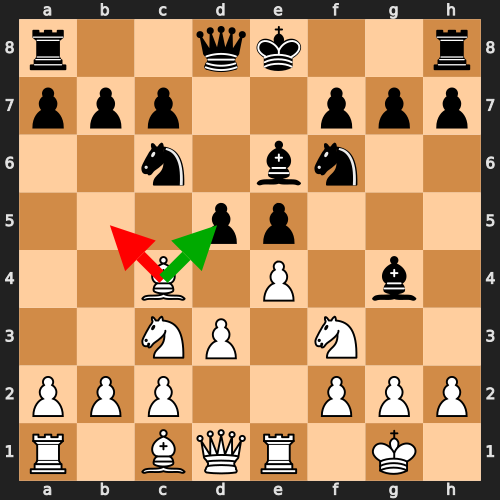
Players here are solid tactically but often struggle with positional understanding and time management. A common scenario is spending 15 seconds calculating a complex sequence, only to blunder later because of severe time trouble.
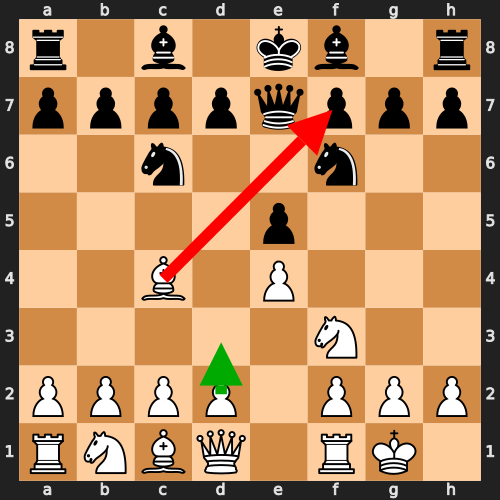
Actionable Advice: Time management is your biggest leak. The data shows that spending more than 5 seconds on a move in bullet rarely improves accuracy enough to justify the time cost. You must learn to play "good enough" moves quickly rather than searching for the perfect move. Develop a narrow, reliable opening repertoire so you can play the first 10 moves on autopilot, saving your clock for the critical middlegame tactics.
The 1400–1500+ Band (Chess.com)
Lichess equivalent: ~1770–1845+
To break 1500, the median puzzle rating is 2069. The gap is now down to around 218 points.
Here, the game resembles "real" chess even at bullet speeds. The first blunder doesn't occur until move 28, and short games (<20 moves) account for only 11.8% of the total.
The density heatmap below shows where the bulk of players cluster in the puzzle-vs-bullet space at this level and above:
The difference between a 1400 and a 1600 is consistency and endgame technique. At lower ratings, endgames are rare because games end in middlegame checkmates or resignations after massive material loss. At 1500+, you will frequently reach endgames with seconds on the clock.
Actionable Advice: Your tactical foundation is solid. Now, you need to study basic endgames (King and Pawn, Rook and Pawn) so you can execute them instantly. Furthermore, review your games to identify why you missed tactics. Was it a blind spot for backward knight moves? A failure to look at the whole board? Targeted training on your specific weaknesses will yield better results than generic puzzle solving.
What Puzzle Rating Do You Actually Need?
One of the most frequently asked questions is: "What puzzle rating do I need to reach X in bullet?" The data provides a clear answer.
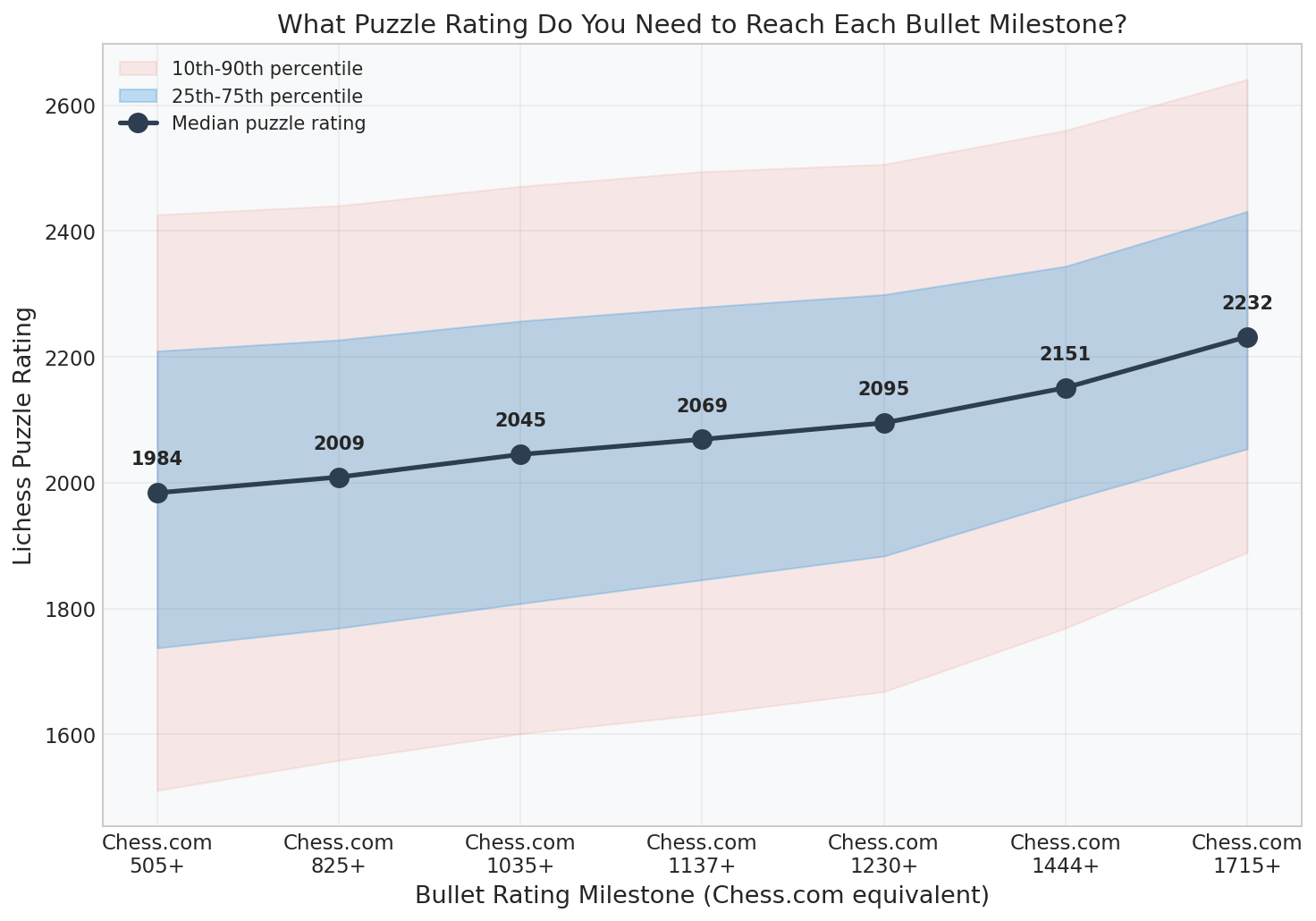
The chart above shows the median puzzle rating of players who have achieved each bullet milestone. To break 1000 on Chess.com in bullet, the median player has a puzzle rating of about 1984. To break 1500, the median is 2069. The wide confidence bands (10th–90th percentile) underscore an important point: puzzle rating alone is a poor predictor of game rating. Some players break 1500 with a puzzle rating of 1600, while others are stuck at 1000 with a puzzle rating of 2400.
Conclusion
Puzzle rating is a measure of your tactical ceiling; game rating is a measure of your practical floor. A massive gap between the two does not mean the rating system is broken—it means you have built a powerful engine but haven't learned how to steer the car.
If your puzzle rating is soaring while your game rating stagnates, the answer is rarely "do more puzzles." The data clearly shows that "Puzzle Warriors" suffer from a lack of practical game volume. To close the gap, you must play more games, analyze your blunders, and learn to apply your tactical vision under the unforgiving pressure of the ticking clock.
Data and Methodology
This analysis is based on a dataset of 2,285 Lichess users who have played a minimum of 50 bullet games and 50 puzzles. The data was collected via the Lichess API. Additional engine evaluation metrics (CPL, blunder timing, game length) were sourced from a database of over 240,000 Stockfish 17-analyzed bullet games.
The underlying data files generated for this research are available below:
View full data →username bullet_rating bullet_rd bullet_games puzzle_rating puzzle_rd puzzle_games blitz_rating rapid_rating chesscom_bullet puzzle_gap Schachtiger2 1379 77 145 2146 86 686 1803 1750 1013 767 SQUIDflow246 1771 45 15567 1782 119 510 1742 1779 1401 11 mat17012 1534 46 281 1844 92 1000 1394 1517 1168 310 koup 1903 45 6640 2341 139 1095 1922 1755 1591 438 Combosurf 2005 45 86203 1559 184 121 1292 1184 1720 -446
View full data →lichess_band chesscom_band n mean_bullet mean_puzzle median_puzzle mean_gap median_gap std_gap min_gap max_gap pct_gap_over_400 pct_gap_over_600 700-1000 445-505 96 902.71875 1410.9479166666667 1385.5 508.2291666666667 445.5 279.02633262515855 -160 1198 56.25 35.41666666666667 1000-1200 505-825 172 1108.2151162790697 1632.9011627906978 1614.5 524.6860465116279 496.0 316.4400948131117 -190 1868 63.95348837209303 37.7906976744186 1200-1400 825-1035 235 1305.4170212765957 1740.863829787234 1747.0 435.4468085106383 440.0 263.03545376308506 -602 1141 55.319148936170215 28.085106382978726 1400-1600 1035-1230 322 1502.77950310559 1813.9968944099378 1796.0 311.2173913043478 306.0 284.2641085943107 -896 1402 36.024844720496894 13.354037267080745 1600-1800 1230-1444 390 1697.1589743589743 1902.4769230769232 1907.0 205.31794871794872 217.5 330.47440611345155 -1340 1499 26.666666666666668 10.512820512820513
View full data →lichess_bullet_threshold chesscom_bullet_threshold n_above n_below mean_puzzle_above mean_puzzle_below median_puzzle_above median_puzzle_below p25_puzzle_above p75_puzzle_above 1000 505 2180 105 1976.526146788991 1387.1619047619047 1984.0 1381.0 1737.5 2209.25 1200 825 2008 277 2005.9601593625498 1539.7509025270758 2009.0 1510.0 1769.0 2227.0 1400 1035 1773 512 2041.0970107163 1632.05859375 2045.0 1651.0 1808.0 2257.0 1500 1137 1628 657 2063.1388206388206 1667.7153729071538 2069.0 1686.0 1845.75 2279.0 1600 1230 1451 834 2091.4941419710544 1702.3033573141486 2095.0 1713.5 1883.5 2299.0 - Engine Analytics Summary (JSON)
Chess Coach April 15, 2026